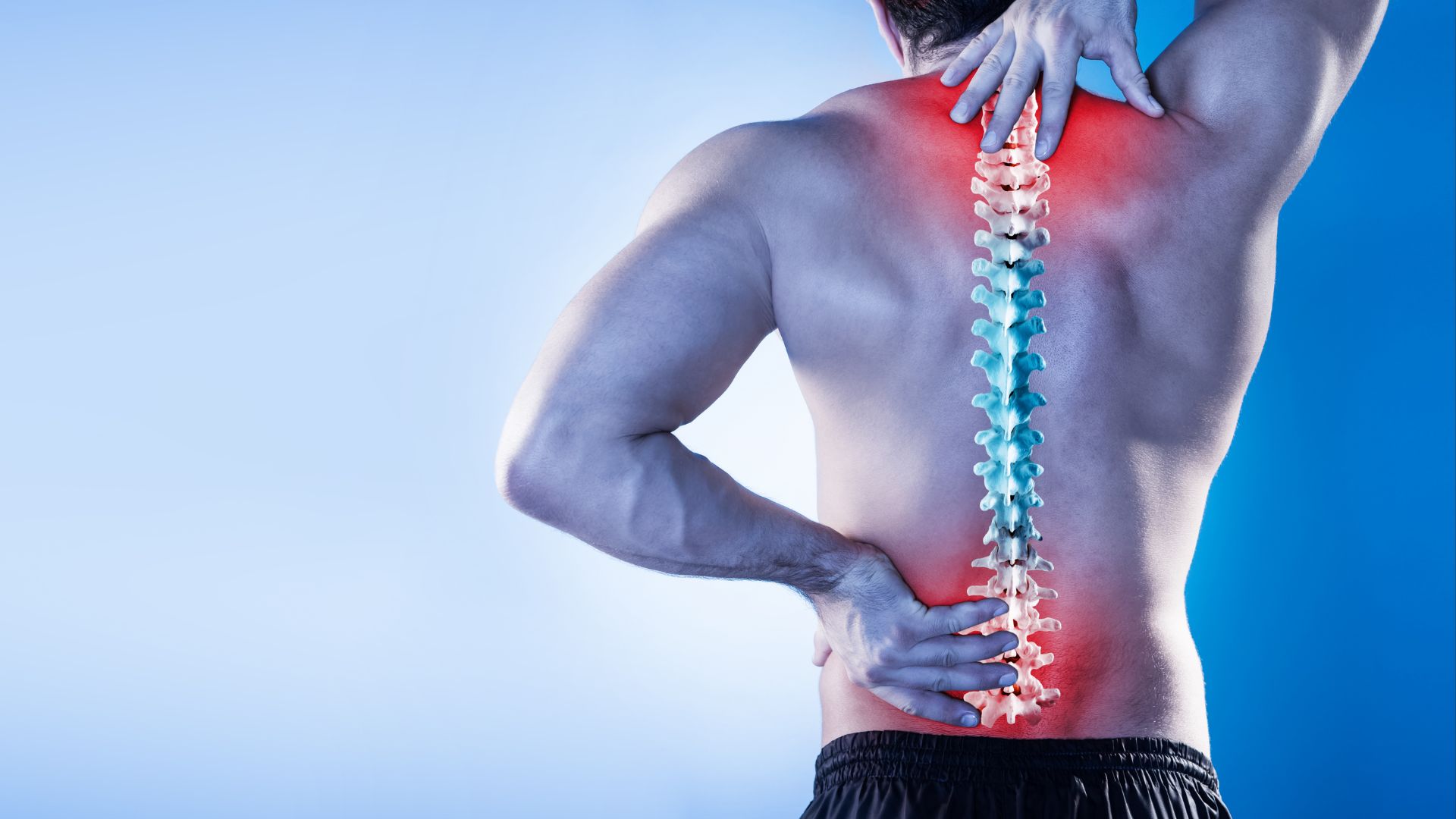
Back pain is a prevalent condition that affects millions of people worldwide. Whether it’s a dull ache, a sharp twinge, or a persistent discomfort, back pain can significantly impact your daily life. This comprehensive guide will explore the common causes of back pain, empowering you with the knowledge to understand better and manage this often frustrating condition.

1. Muscle Strains and Sprains:
One of the most common causes of back pain is muscle strains and sprains. These injuries often result from improper lifting, sudden movements, or overexertion. The back muscles can become strained or sprained, leading to localized pain and limited mobility. Understanding proper lifting techniques, regular exercise to strengthen the muscles, and good posture can help prevent these types of injuries.2. Herniated Discs:
Discs are the cushions between the vertebrae that act as shock absorbers for the spine. A herniated disc occurs when the soft inner core of a disc pushes through the tougher outer layer, irritating nearby nerves. This herniation can lead to back pain, radiating pain, numbness, or tingling in the legs. Age, genetics, and repetitive activities that strain the back can contribute to herniated discs.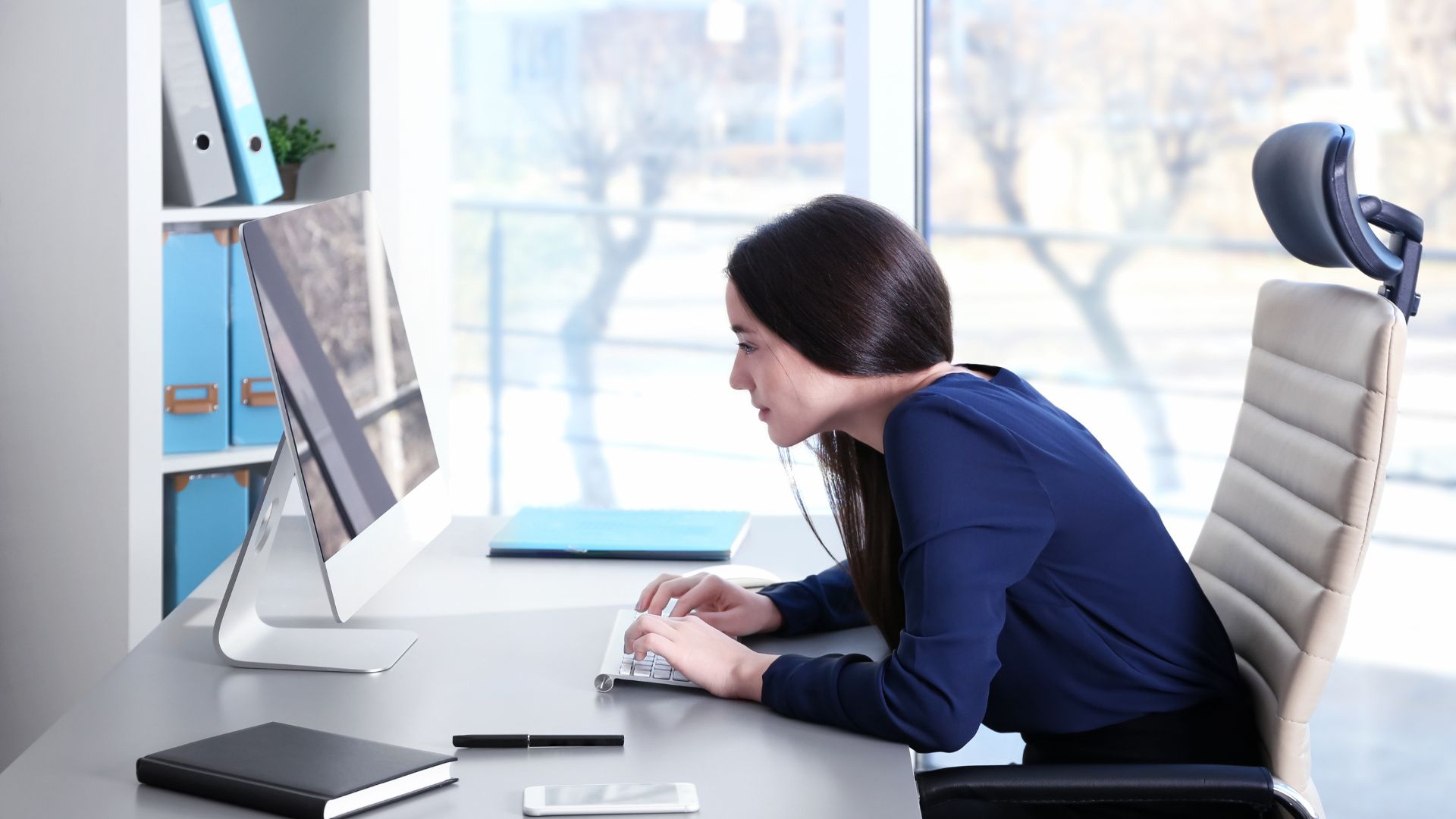
3. Poor Posture and Sedentary Lifestyle:
Modern lifestyles often involve prolonged periods of sitting, whether at a desk or in front of a screen. Poor posture and a sedentary lifestyle can strain the back excessively, leading to muscle imbalances, stiffness, and pain. Maintaining proper posture, taking regular breaks to move and stretch, and incorporating exercises to strengthen the core and back muscles can help alleviate and prevent pain caused by poor posture and a sedentary lifestyle.4. Spinal Stenosis:
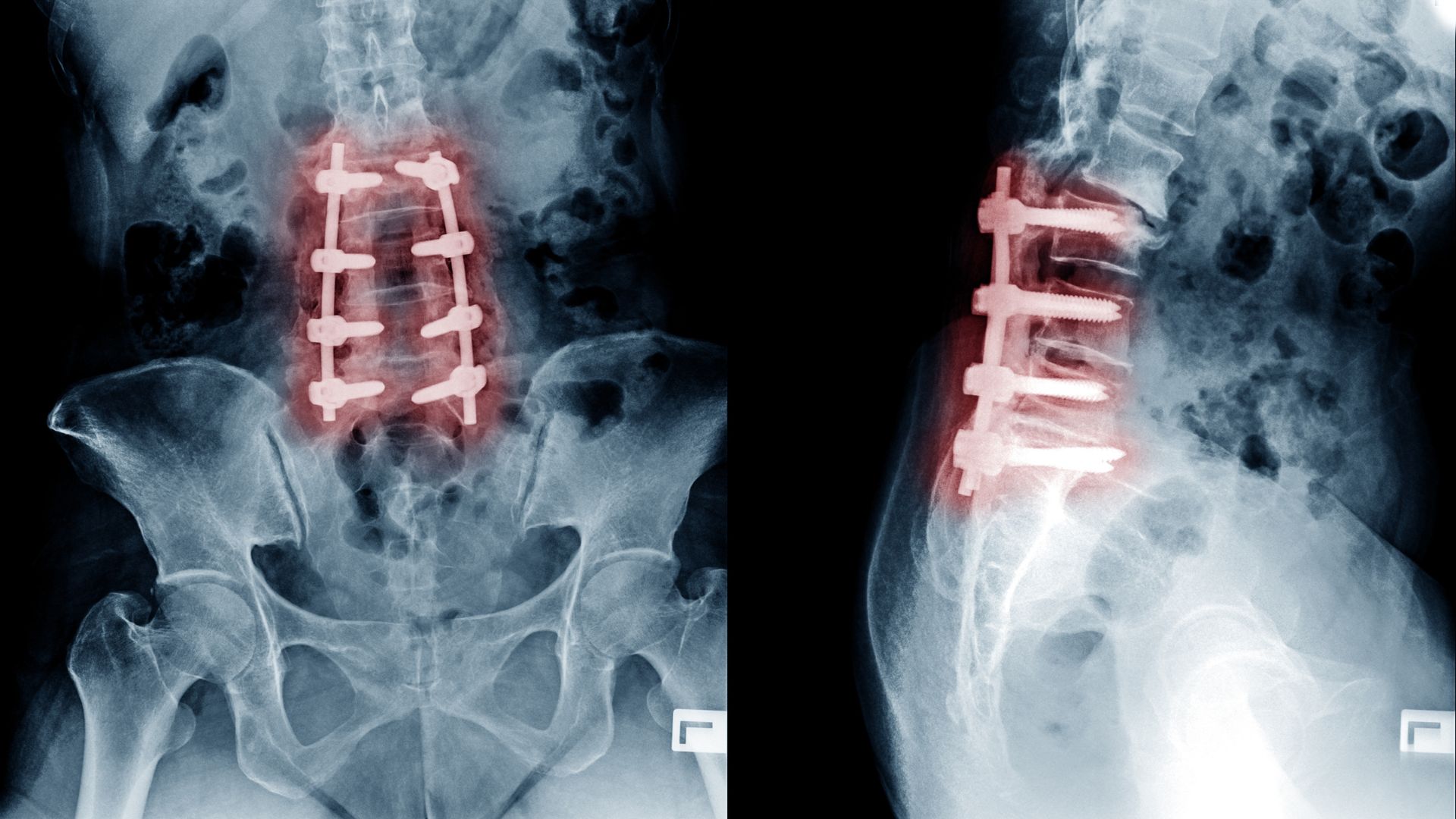
Spinal stenosis is characterized by the narrowing of the spinal canal, which puts pressure on the nerves and spinal cord. This pressure on the nerves can result in back pain and symptoms such as leg pain, numbness, and weakness. Spinal stenosis is often age-related but can also be caused by other factors such as arthritis or injuries. Treatment options may include physical therapy, medication, and in severe cases, surgery.